







 0
0

 0
0

 0
0





How do flange surface finishes affect long‑term sealing performance?
Introduction
In high-pressure and highly corrosive environments, the performance of flanged connections is critical for operational safety and efficiency. Nickel Alloy Flange components have become a preferred solution in demanding industries such as petrochemical processing, nuclear power, subsea engineering, and offshore oil and gas operations. Standard stainless steel flanges often fail to provide the necessary resistance to corrosion, thermal degradation, and stress-related failures under such conditions. Nickel Alloy Flange components offer superior chemical stability, mechanical strength, and thermal resistance, making them suitable for critical applications where zero-leakage and reliability are mandatory.
One of the most important factors influencing the long-term sealing performance of these flanges is the quality and precision of the flange surface finish. Variations in surface roughness, flatness, and geometric tolerances can directly affect the gasket interface, load distribution, and resistance to leakage over the lifespan of the system. Understanding how surface finish interacts with material properties, manufacturing processes, and operational conditions is essential for engineers and technical managers seeking optimized sealing performance.
Overview of Nickel Alloy Flanges
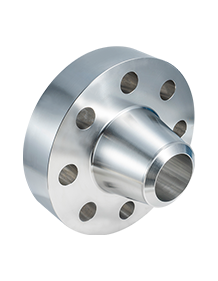
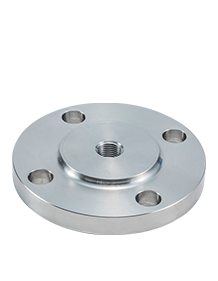
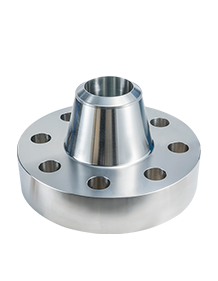
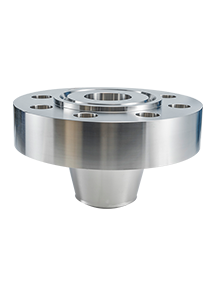
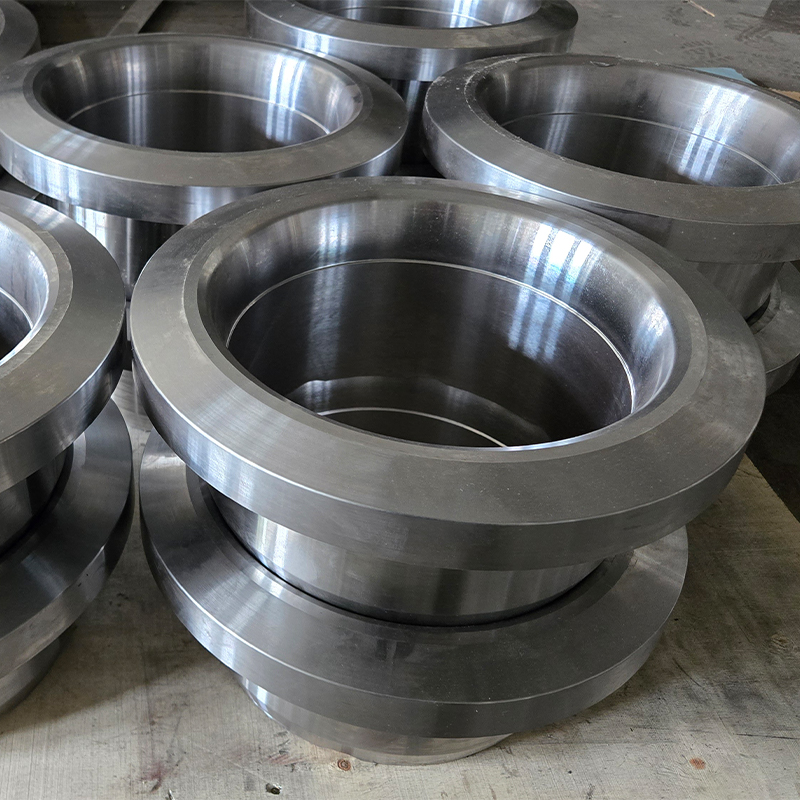
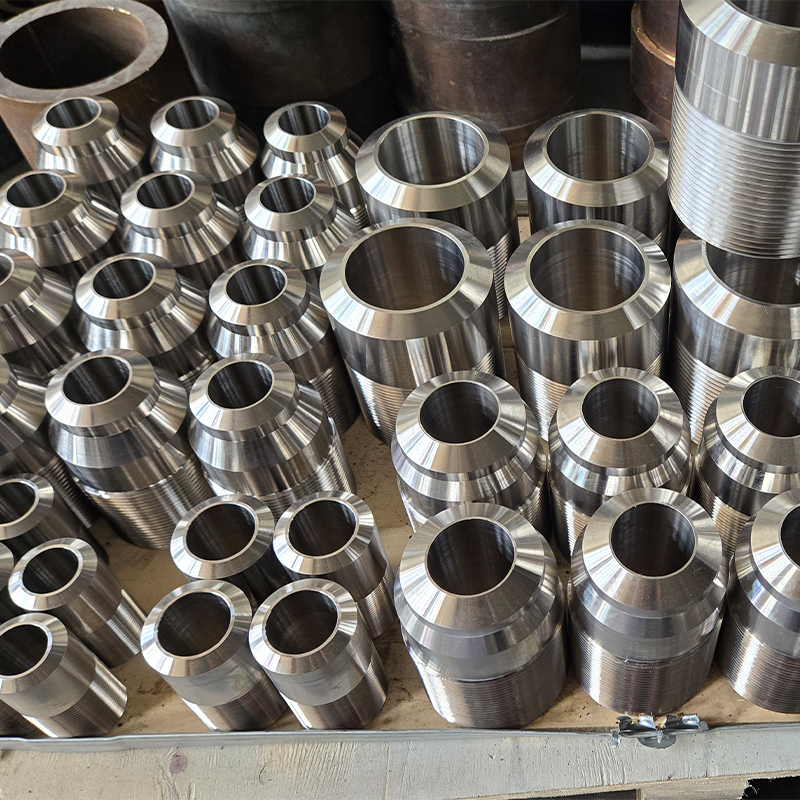
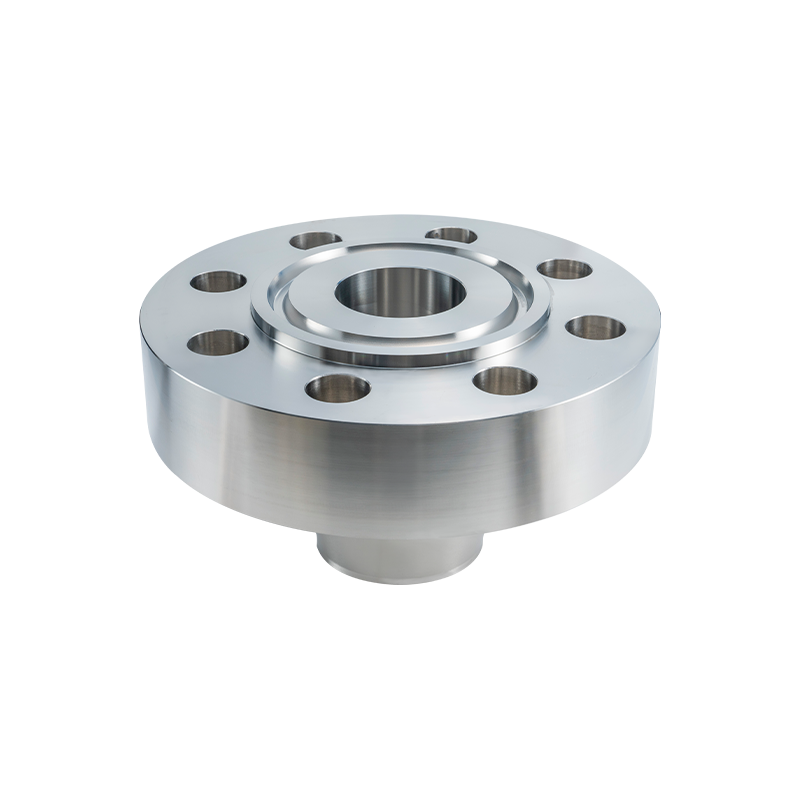
Nickel Alloy Flange, produced by Jiangyin Zhonghai Precision Machinery Co., Ltd., are engineered to withstand extreme conditions that would challenge conventional stainless steel or carbon steel flanges. These flanges are made from high-performance alloys such as Inconel (600, 625, 718), Hastelloy (C276, C22), Monel (400, K500), and Incoloy (800/H/HT, 825). Each material is selected based on its corrosion resistance, thermal stability, and mechanical properties appropriate for the intended application.
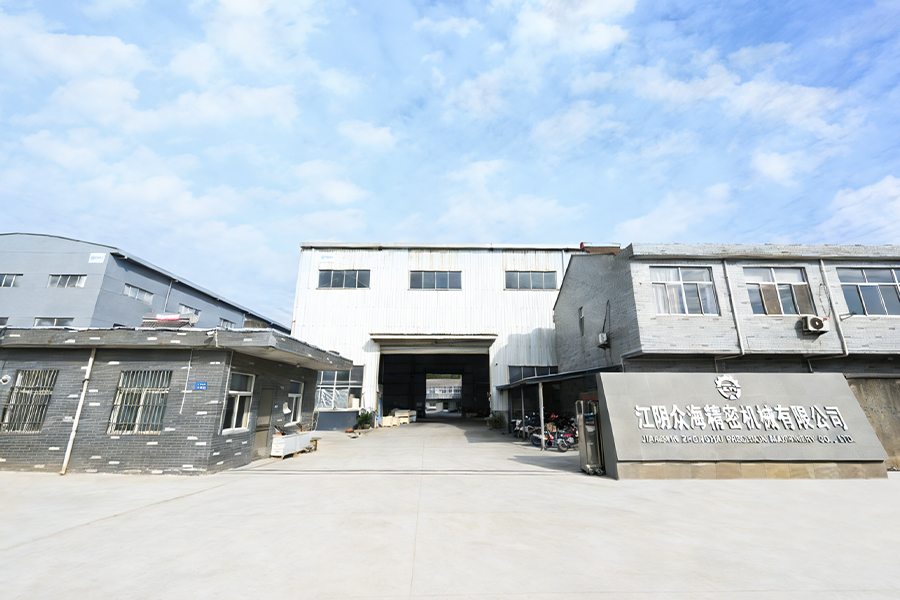
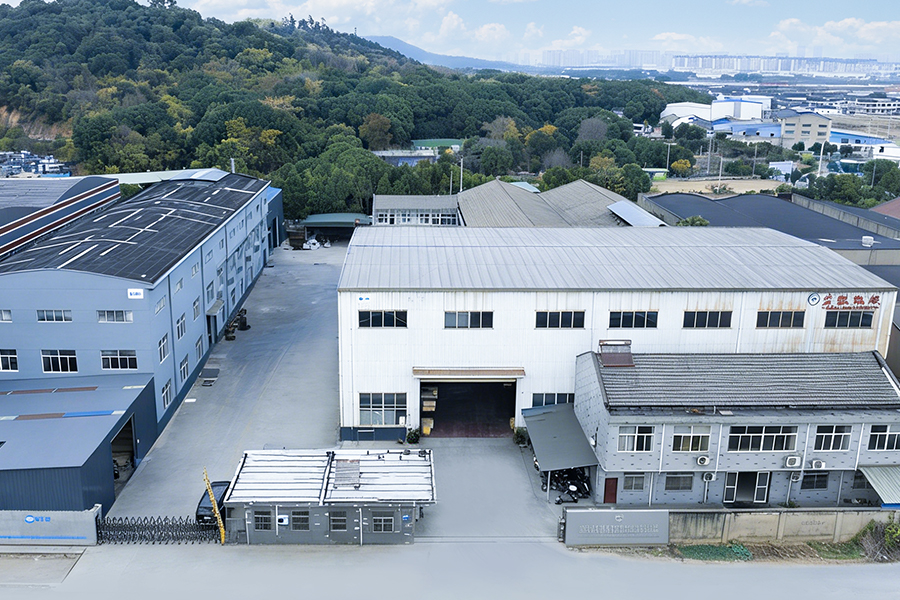
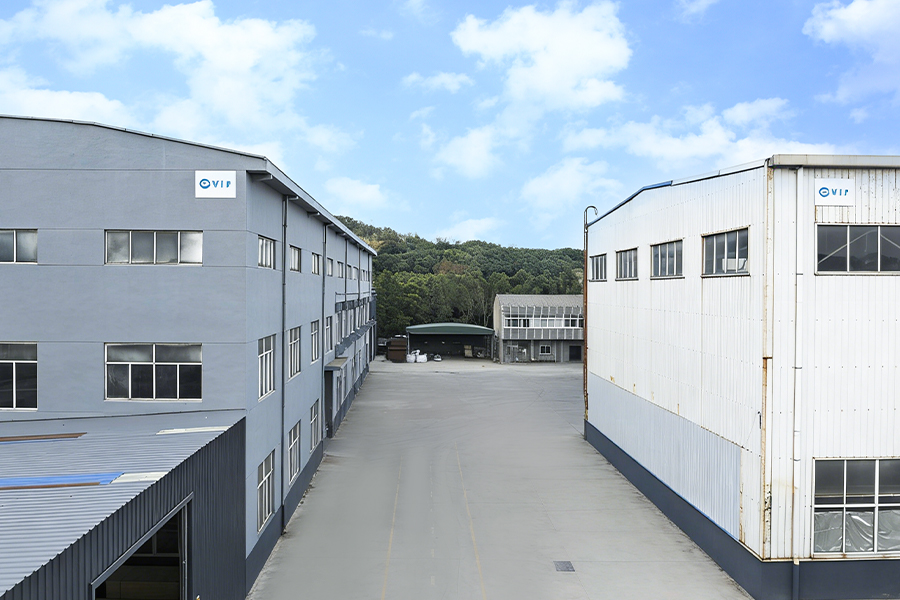
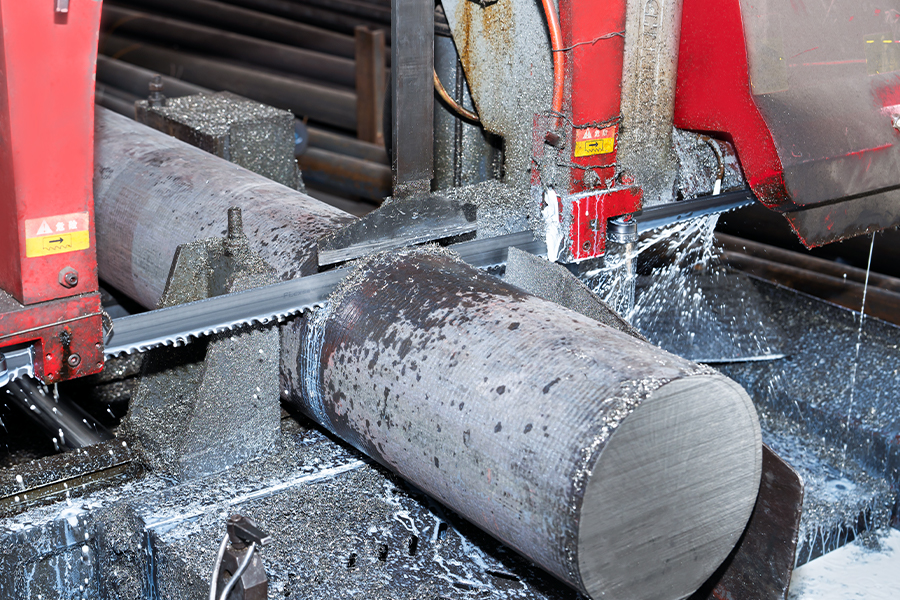
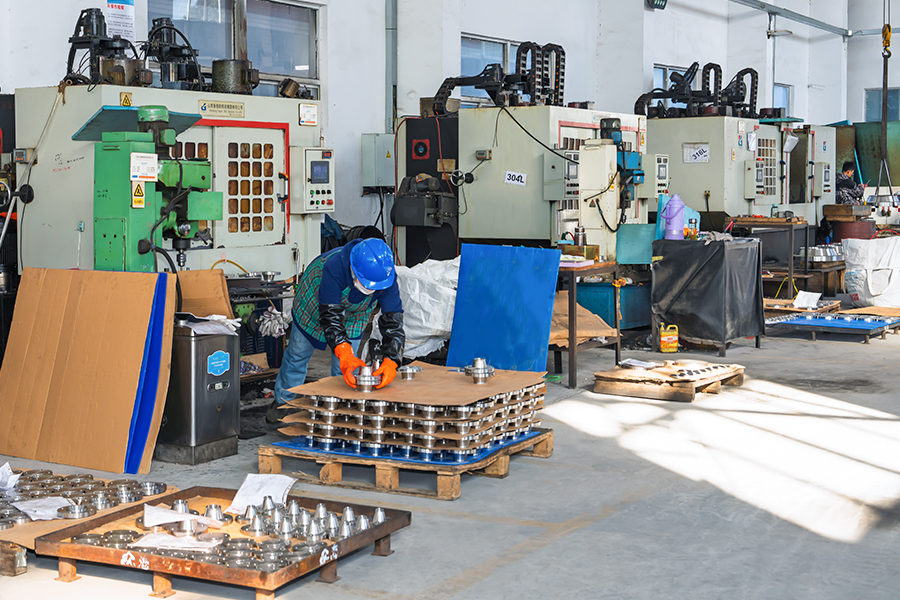
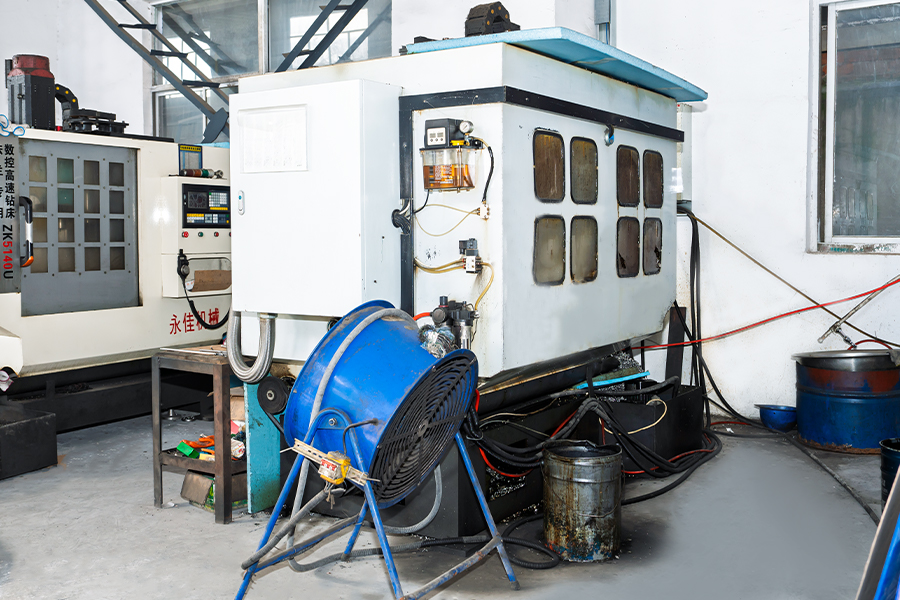
The manufacturing capabilities at Zhonghai include fully integrated in-house processes, encompassing forging, heat treatment, precision CNC machining, and rigorous testing. The vertical integration of these processes ensures full control over quality, dimensional accuracy, and metallurgical consistency. Nickel Alloy Flange products are available in a wide range of sizes—from 1/2 inch to 60 inches—and can be customized up to 4 meters in diameter with single-piece weights up to 10 tons. Pressure ratings range from Class 150 to Class 2500, making them suitable for both moderate and extreme operational conditions.
| Key Alloy | Primary Advantages | Typical Applications |
|---|---|---|
| Inconel 600, 625, 718 | High-temperature resistance, oxidation resistance, and thermal stability | Chemical reactors, high-temperature steam lines, nuclear coolant systems |
| Hastelloy C276, C22 | Exceptional resistance to oxidizing and reducing acids, pitting, and stress corrosion cracking | Flue gas desulfurization, chemical piping, offshore systems |
| Monel 400, K500 | Excellent corrosion resistance in seawater and high-chloride environments | Desalination plants, subsea manifolds, marine piping |
| Incoloy 800/H/HT, 825 | High mechanical strength, creep resistance, and thermal stability | Power plant piping, chemical heat exchangers |
The Role of Surface Finish in Sealing Performance
The surface finish of a flange directly impacts the ability to form a reliable seal with gaskets or other sealing elements. Nickel Alloy Flange surfaces must meet stringent roughness and flatness specifications to maintain a uniform load distribution and prevent localized stress points that could lead to leaks. A poorly machined or uneven sealing face may result in reduced contact area with the gasket, causing pressure loss, chemical ingress, or long-term creep deformation under load.
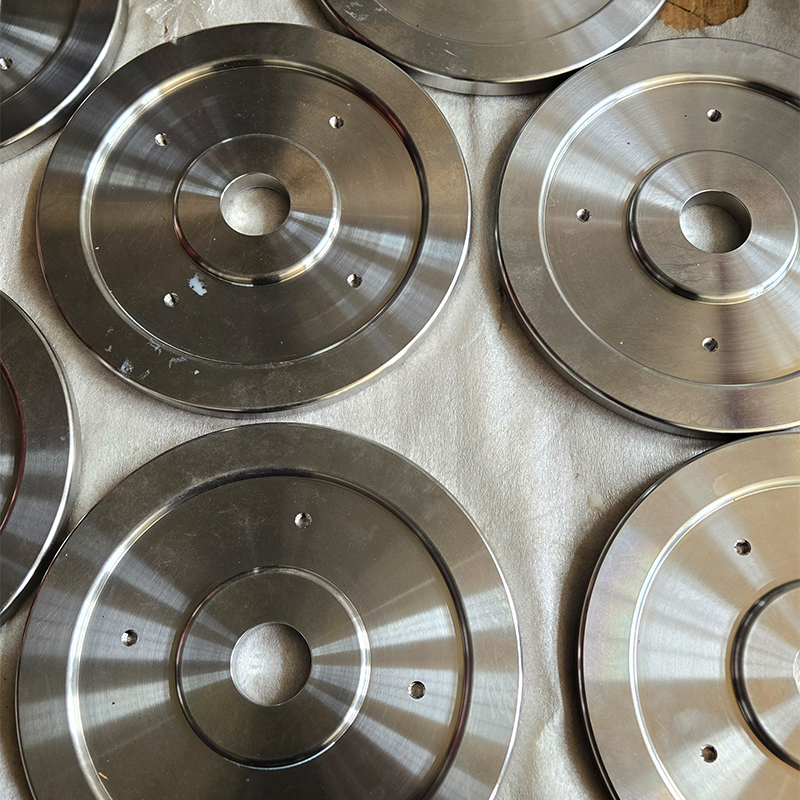
Several factors influence surface finish, including the type of flange face (e.g., Raised Face, Ring Type Joint, Flat Face, Tongue and Groove), machining process, material properties, and heat treatment methods. For instance, Raised Face (RF) flanges require precise control over peak-to-valley roughness to ensure proper gasket seating, while Ring Type Joint (RTJ) flanges demand extremely tight tolerances and smooth surfaces to achieve metal-to-metal sealing. Nickel Alloy Flange components benefit from advanced CNC machining processes that achieve these tolerances consistently, ensuring long-term reliability.
Machining Techniques for Optimized Surface Finish
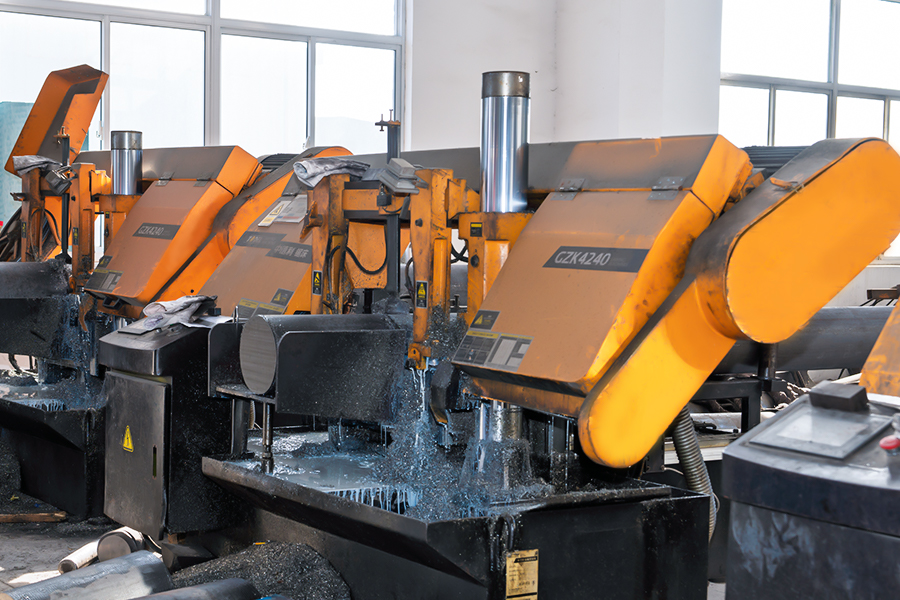
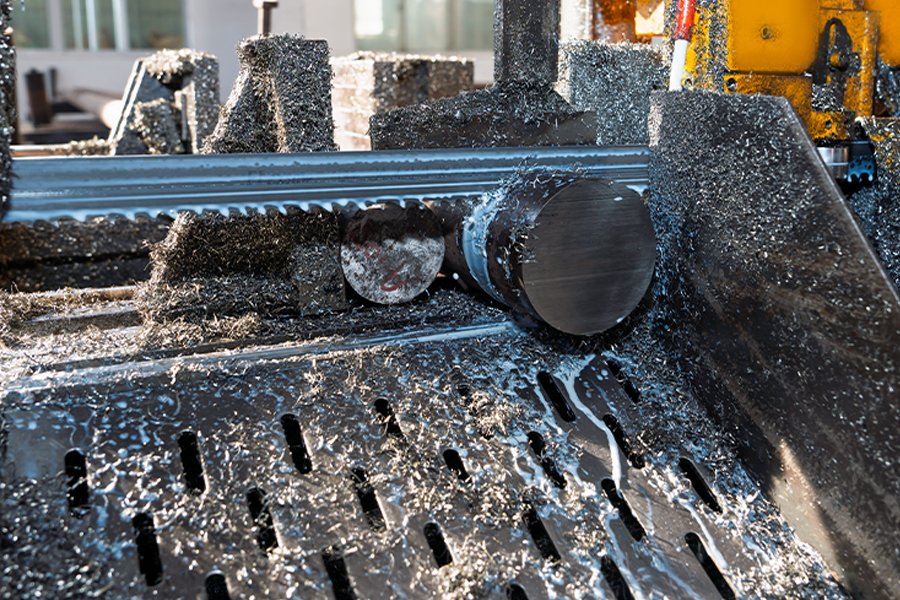
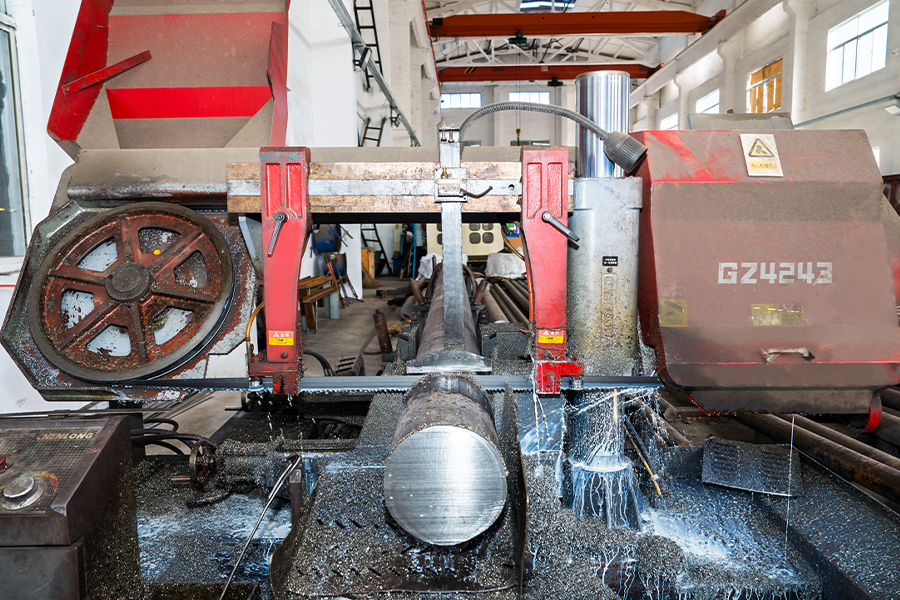
Achieving an optimal surface finish on nickel alloy flanges requires precise control of cutting parameters, tooling, and machining sequence. CNC turning, drilling, and milling are typically used to prepare the sealing face, bolt holes, and any non-standard features. Critical dimensions, such as bore diameter, flange thickness, and bolt circle, are monitored during and after machining to ensure compliance with both geometric tolerances and surface roughness requirements.
- Turning: Ensures concentricity and smooth outer diameters, reducing misalignment with mating components.
- Boring: Precision boring of inner holes prevents stress concentrations and ensures uniform gasket compression.
- Drilling: Bolt holes drilled to exact specifications maintain flange alignment and load distribution.
- Finish Facing: Final passes on the sealing surface achieve target roughness and flatness, critical for gasket performance.
- Threading & Milling: Tapping or milling of custom grooves is performed with tight control to avoid surface irregularities.
Material Properties and Surface Interaction
The inherent properties of nickel-based alloys influence how the surface finish interacts with gaskets over time. Nickel Alloy Flange materials, such as Inconel and Hastelloy, exhibit excellent hardness, thermal stability, and corrosion resistance. These properties reduce the risk of surface degradation due to chemical attack or creep under sustained loads. Uniform grain structures achieved through solution annealing further contribute to consistent surface performance, minimizing the likelihood of localized deformation or pitting that could compromise sealing.
Proper heat treatment also enhances the surface's ability to retain dimensional stability over long-term operations. For example, solution annealing followed by controlled cooling ensures that the machined sealing face does not warp or develop residual stresses that could degrade the interface with gaskets.
Sealing Performance in Different Applications
Nickel Alloy Flange surface finishes play a critical role in multiple high-demand industries:
- Chemical & Environmental: Flanges in FGD systems and chemical reactors must resist aggressive acids, and smooth sealing faces prevent leakage and corrosion at the gasket interface.
- Marine & Offshore: Subsea manifolds and desalination systems rely on high-quality surfaces to maintain integrity under fluctuating pressures and chloride-rich seawater exposure.
- Power & Nuclear: Steam lines and coolant piping require dimensional stability and oxidation resistance at elevated temperatures, making precise surface finishes essential for long-term safety.
- Aerospace: Propulsion system test stands and piping for extreme thermal environments demand meticulous surface preparation to prevent leaks and maintain operational efficiency.
Inspection and Quality Control
Ensuring the long-term sealing performance of nickel alloy flanges requires comprehensive inspection protocols. Jiangyin Zhonghai Precision Machinery Co., Ltd. employs a range of non-destructive testing (NDT) techniques, including ultrasonic testing (UT), magnetic particle testing (MT), dye penetrant testing (PT), and hydrostatic testing, to confirm that surface finish, flatness, and geometric tolerances meet design specifications. Material verification using PMI (Positive Material Identification) and mechanical testing ensures the alloy properties are consistent and meet customer requirements.
| Inspection Method | Purpose | Frequency |
|---|---|---|
| UT (Ultrasonic Testing) | Detects internal flaws or cracks in forged flanges | Every critical production batch |
| MT/PT (Surface Flaw Detection) | Ensures surface integrity for sealing faces | All sealing surfaces and welds |
| Hydrostatic Testing | Verifies pressure-tightness under operational conditions | Per flange batch or project requirement |
| PMI (Material Analysis) | Confirms correct alloy grade and composition | Random sampling and critical parts |
Customization and Engineering Support
A critical advantage of nickel alloy flanges is the ability to tailor manufacturing to project-specific requirements. Jiangyin Zhonghai Precision Machinery is recognized for its Make-to-Print service, where customers provide drawings or key parameters, and the engineering team evaluates and delivers optimized solutions rapidly. This capability ensures that surface finish, dimensional tolerances, and material selection align precisely with operational demands, enhancing long-term sealing reliability.
Customization options include:
- Selection of flange face type (RF, RTJ, Flat Face, Tongue & Groove)
- Machining sequences optimized for minimal residual stress
- Surface finishing techniques tailored to gasket type and pressure rating
- Full documentation of inspection and testing records for quality assurance
Conclusion
The long-term sealing performance of Nickel Alloy Flange components is highly dependent on the quality of the flange surface finish. Precision machining, proper heat treatment, and rigorous inspection are essential to ensure reliable performance in extreme operating conditions. By controlling roughness, flatness, and geometric tolerances, engineers can achieve uniform gasket compression, reduced risk of leaks, and enhanced component lifespan.
Jiangyin Zhonghai Precision Machinery demonstrates how vertical integration, advanced CNC machining, and full-process quality control contribute to the production of flanges capable of meeting the strictest industry standards. Through a combination of superior materials, customized engineering, and precise surface finishing, nickel alloy flanges provide a reliable solution for high-pressure, high-temperature, and highly corrosive applications across chemical, marine, power, and aerospace industries.
FAQ
Q1: What are the most common flange face types for Nickel Alloy Flanges?
A1: Raised Face (RF), Ring Type Joint (RTJ), Flat Face (FF), and Tongue & Groove (TG) are standard. Each type is selected based on pressure rating, gasket compatibility, and sealing requirements.
Q2: How does surface roughness affect gasket performance?
A2: Excessive roughness can damage gaskets or cause uneven compression, while too smooth a surface may reduce friction and lead to slippage. Optimal roughness ensures uniform contact and sealing pressure.
Q3: Can Nickel Alloy Flanges be customized for specific applications?
A3: Yes, Jiangyin Zhonghai Precision Machinery provides Make-to-Print services, allowing engineers to specify dimensions, material, and surface finish for precise operational requirements.
Q4: What industries benefit most from Nickel Alloy Flanges?
A4: Key industries include petrochemical processing, nuclear and thermal power, subsea engineering, marine and offshore, and aerospace, where high corrosion resistance and thermal stability are critical.
Q5: How are sealing faces inspected for quality assurance?
A5: NDT methods such as UT, MT/PT, hydrostatic testing, and material verification (PMI) ensure that surface flatness, roughness, and material integrity meet design and safety standards.